
Cheap Car Rentals in Bali: Smart Tips for Driving in Indonesia
Renting a car in Bali can cost under $25 a day if you know where to look — but traffic rules, road conditions, and local customs will trip you up fast without this guide.
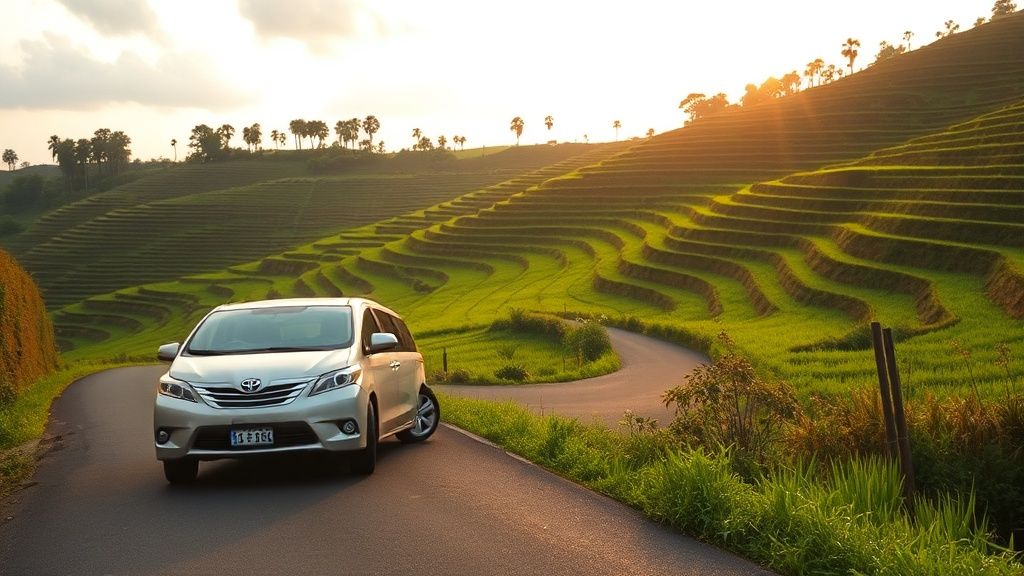
Renting a car in Bali for under $25 a day is completely doable — I've done it multiple times. What nobody warns you about upfront is that driving here is genuinely different from driving in Europe or North America, and a few rookie mistakes can wipe out every dollar you saved on the rental rate. Here's what actually works.
What Car Rentals Actually Cost in Bali
Local rental rates are dramatically cheaper than international chains. Through a local agency or platform like Traveloka, you can typically find a basic Toyota Avanza or Daihatsu Xenia — the workhorse MPVs of Bali's roads — for around $15–$25 per day when booking a week or longer. Automatic transmission models run a few dollars more per day than manual.
International chains like Hertz or Europcar do operate in Bali, but their rates are often two to three times higher than local operators for equivalent vehicles. Unless you have a corporate discount or elite status credit card that makes the insurance math work, there's no compelling reason to pay that premium.
Rough price benchmarks to expect:
- Toyota Avanza (manual, local agency, 7+ days): roughly $15–$20/day
- Toyota Avanza (automatic): add $3–$5/day
- Toyota Fortuner or similar SUV: $40–$60/day
- Toyota HiAce minibus with driver: $60–$90/day, often better value for groups of 6+
One honest caveat here: local agency quotes rarely include the full picture. Always ask specifically whether the price includes Collision Damage Waiver (CDW), third-party liability, and unlimited kilometers. Many don't — and those add-ons can nearly double the daily rate.
Where to Find Reliable Local Rental Agencies
Kuta, Seminyak, Ubud, and Canggu all have clusters of local car rental shops, many of which you can walk into and negotiate in person. Jalan Legian in Kuta has several side-by-side agencies where you can compare quotes in under 30 minutes.
For online booking, Traveloka is the dominant Indonesian travel platform and lists both local operators and larger chains with verified reviews. Klook also lists Bali car rentals with driver options, which brings us to something worth seriously considering.
Driver Hire vs. Self-Drive: The Real Comparison
This is the tradeoff most visitors don't properly weigh before booking:
Self-drive pros:
- Total flexibility on timing and route
- Usually $5–$10 cheaper per day than a car-plus-driver package
- Great if you plan to linger somewhere unpredictably
Self-drive cons:
- You're navigating chaotic Indonesian traffic personally
- Parking in Ubud's narrow streets is genuinely stressful
- International Driving Permit is technically required (more on this below)
- Most local insurance won't cover you for single-vehicle accidents on unpaved roads
Car with driver pros:
- Drivers typically cost $50–$70 per day all-in, including the car
- They double as guides and know the roads intimately
- You won't get lost chasing a temple in Karangasem at dusk
- All insurance and licensing issues become their problem
For first-timers, a driver for the first day or two as a recon mission is genuinely smart. You learn the roads and typical parking spots before committing to solo driving.
Legal Requirements You Cannot Skip
Bali operates under Indonesian traffic law, and the requirements are stricter than enforcement often suggests — which is precisely why tourists get complacent and then get fined.
What you legally need to drive in Bali:
- International Driving Permit (IDP) — issued by your national automobile association (AAA in the US, AA in the UK) before you leave home. Cost is typically under $20. Without it, you're technically uninsured even if you paid for CDW, and police checkpoints do ask for it.
- Your original home country driver's license — the IDP is useless without it; they're presented together.
- Your passport — Indonesian law requires ID on your person while driving.
- Rental agreement and vehicle registration — kept in the car.
The police checkpoints near Tanah Lot, on the road to Kintamani, and around Nusa Dua are the ones I've personally encountered most frequently. Having your paperwork organized in a single folder makes these stops a two-minute inconvenience rather than a negotiated shakedown.
Understanding Bali's Roads Before You Drive Them
Bali is roughly 95 km from east to west at its widest point, but don't let that fool you into thinking any drive is quick. The road from Seminyak to Ubud — about 37 km — routinely takes 90 minutes to two hours during peak hours (roughly 8–10am and 4–7pm), particularly around the Batubulan area and the Tohpati bypass junction.
A few road realities worth knowing:
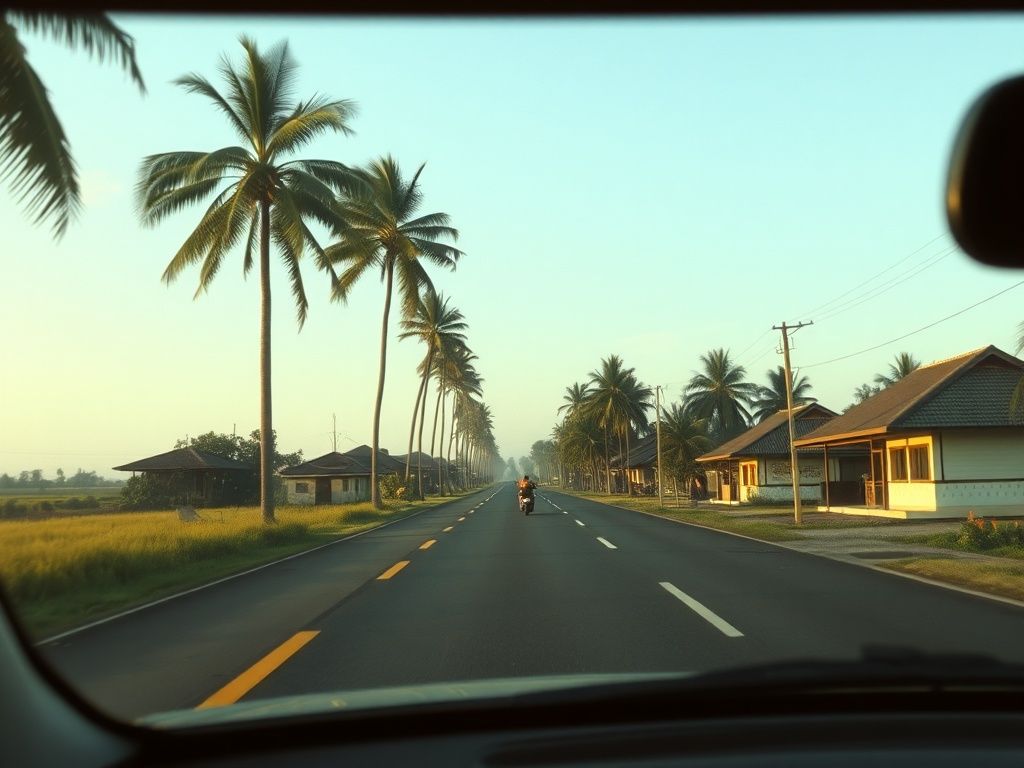
- Motorbikes are everywhere and move unpredictably. They pass on both sides and cut across lanes without signaling. Mirror-checking every 10 seconds is not paranoid, it's necessary.
- Road quality varies significantly. Major routes like Jalan Bypass Ngurah Rai around Denpasar and the toll road to Nusa Dua are well-maintained. Back roads toward Mount Batur or into the rice terraces around Tegallalang can be potholed and narrow.
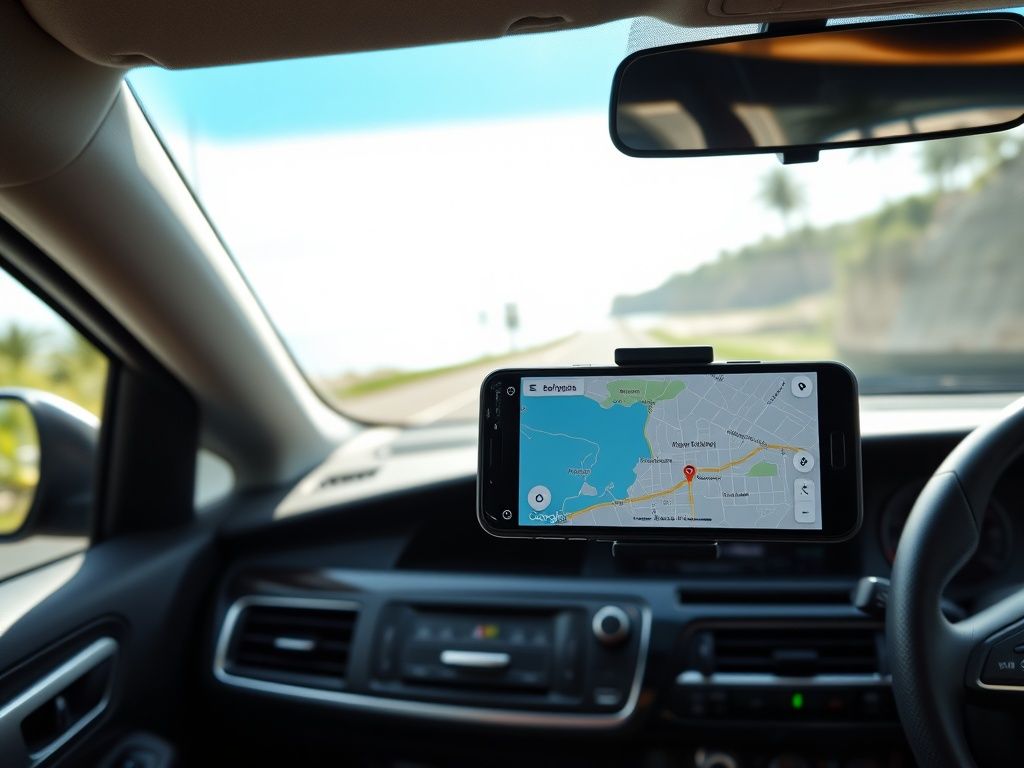
- Google Maps works well for Bali's main roads but occasionally routes you down tracks that are fine for motorbikes and alarming in a Fortuner.
- Fuel is cheap. Pertamina stations are common and petrol (Pertalite or Pertamax grades) is priced far below Western rates. Budget your fuel costs as genuinely minor.
- Parking in Seminyak and Canggu is chaotic but there are paid lots near Batu Bolong Beach and along Jalan Raya Canggu that cost less than a dollar per hour.
How to Book Without Getting Overcharged
The most common money-losing move I see travelers make: booking on an international aggregator that locks in a rate in their home currency, then showing up to find the local agency charges extras for everything the aggregator listed as included.
A cleaner process:
- Use Traveloka or direct local agency websites for initial price research — you'll see what market rates actually are.
- Check Google reviews for any agency you're considering; look specifically for mentions of billing disputes or add-on fees at pickup.
- Ask for a written quote that itemizes: base rate, CDW/insurance, unlimited km clause, any airport surcharge (Ngurah Rai Airport pickups often add $5–$10), and fuel policy.
- Inspect the car before taking the keys. Photograph every scratch, dent, and scuff — front, back, both sides, roof, and interior — and make sure the agent acknowledges the photos in writing or via WhatsApp. Local agencies commonly communicate via WhatsApp, which creates a useful written record.
- Clarify the return process. Some agencies charge a late return fee after the exact hour you picked up, not end of day.
One more caveat: credit card rental insurance that works in the US, Canada, or Europe frequently excludes Indonesia entirely. Check your card's benefits guide — don't assume. Chase Sapphire Reserve, for example, has country exclusions worth reading carefully.
The Best Areas to Base Yourself for Self-Driving
Where you stay affects how much driving stress you'll actually deal with.
Canggu (north of Seminyak along the coast) is currently one of the better bases for self-drivers — the streets are wider than Ubud's, there's legitimate parking near Echo Beach, and you can reach Tanah Lot in under 30 minutes outside peak hours.
Ubud is the tricky one. The town center is genuinely congested along Jalan Raya Ubud, and parking near the Ubud Palace or Ubud Market between 10am and 6pm is a test of patience. Many people base themselves slightly outside — in Payangan or toward Tegallalang — and drive into town early or late.
Nusa Dua and Jimbaran sit on Bali's southern peninsula with good road access and less chaos than Kuta. The toll road from Ngurah Rai Airport to Nusa Dua runs about 15 km and takes roughly 20 minutes, making airport pickups and drop-offs straightforward.
What to Skip
A few things not worth the money or hassle:
- Renting from an airport counter on arrival without pre-booking. Airport counters in the international arrivals hall at Ngurah Rai (Terminal International) charge a premium for the convenience, and you can't inspect competing options.
- Luxury car rentals for touring inland. A Porsche Cayenne on the road to Kintamani is a waste of money and a source of anxiety. The roads don't reward it.
- Fuel-purchase options. Pay-at-return fuel plans from some agencies are priced well above pump rates. Fill it yourself.
Your Concrete Next Step
Before you leave home, get your International Driving Permit from AAA (US) or your national equivalent — it takes about a week by mail and costs under $20, and it's the one thing you genuinely cannot fix after landing. Then, once you have your Bali travel dates confirmed, open Traveloka, search your arrival and departure dates, and filter by automatic transmission if you're not comfortable with manual. Screenshot the rates, then cross-reference one or two of the top-rated local operators on Google Maps. Message them directly on WhatsApp with your dates and ask for their all-inclusive written quote — including CDW and unlimited kilometers. That conversation tells you immediately whether you're dealing with a transparent operator.
Gallery
Places in this story
Keep reading
Renting a Car in Japan: How to Save Money on Self-Drive Tours
Japan's train network is legendary, but renting a car unlocks rural ryokan, mountain roads, and coastal towns that no bullet train serves. Here's how to do it without overpaying.
Best Time to Book Cheap Car Rentals for Maximum Savings
Timing your car rental booking wrong can cost you $50–$100 extra per day. Here's exactly when to book, when to re-book, and which tools to use to lock in the lowest rates.
How to Find Cheap Car Rentals Without Getting Burned by Hidden Fees
Cheap car rental rates are everywhere — but the final bill rarely matches. Here's exactly how to lock in a low price and keep it low, from booking to drop-off.